Image: Contemporary Arts Museum, Houston’s Teacher Advisory Group, 2022-23
A few weeks ago (in July 2023), a member of the museum-ed discussion list asked the group for recommendations of effective practices in Teacher Advisory Committees. This question provoked numerous responses from educators who also wanted to learn more, and a few responses from museums who are confident they run successful programs of this type.
This is a topic I have strong feelings about; in 2018 I published an article in the book Professional Development in Art Museums: Strategies of Engagement Through Contemporary Art, edited by Dana Carlisle Kletcha and B. Stephen Carpenter, II and published by NAEA. My article noted that when museums offer professional development to teachers, it assumes that we have expertise that teachers need, but rarely acknowledges the expertise of teachers. In the article I argue for replacing a hierarchical teacher professional development model with a space in which teachers and museums collaboratively address a question and create new programs and practices. Teacher Advisory Committees can be a wonderful space for this work.
In my own practice I developed a collaborative format that could be considered equal-parts Teacher Advisory Committee and Teacher Workshop: teachers met throughout the year to discuss a shared topic of interest with the goal of co-developing something of use for museums as well as in their classrooms. At the Peoria PlayHouse Children’s Museum our Teacher Team spent its first year developing a new field trip model, and the second year considering pre- and post-visit resources. Later topics included arts integration, STEAM learning and Maker Spaces. There were five meetings throughout the year; between each meeting, teachers were asked to experiment with something in their classrooms and share the results. At the end of the year the museum had a new collaboratively developed program or resource, and teachers had new ideas and lessons to implement in their classrooms.
I love Teacher Advisory Committees because they provide a space that is constructed for museums to learn from and with teachers; I hate Teacher Advisory Committees because they often are constructed in a way that feels limiting — after you get feedback on the newest teacher resource guide, then what do you do with the group? How do you make this type of program something that is valuable for both teachers and museums? And what do we mean by “Teacher Advisory Committee” anyway? Technically a Teacher Advisory Committee is an ongoing committee of teachers that share feedback and advice with the museum. However, this is a very limiting format, and I would guess that many successful museums play with this format to ensure that they are using teachers’ time wisely while gathering specific feedback. Also, while teachers’ advice is extremely helpful to school programs staff, Teacher Advisory Committees generally exist at least in part for marketing purposes – to make sure that teachers know about and help promote a museum’s school and teacher programs.
In order to get some insights into effective practices for Teacher Advisory Committees I interviewed two educators: Felice Q. Cleveland, Director of Learning and Engagement, Contemporary Arts Museum Houston (CAMH) and Kira Hegeman, PhD. Associate Educator, Teacher and Student Learning, Saint Louis Art Museum (SLAM). This interview was guided largely by a list of questions solicited from the Museum-Ed community; the full list of answers to specific questions can be found here.

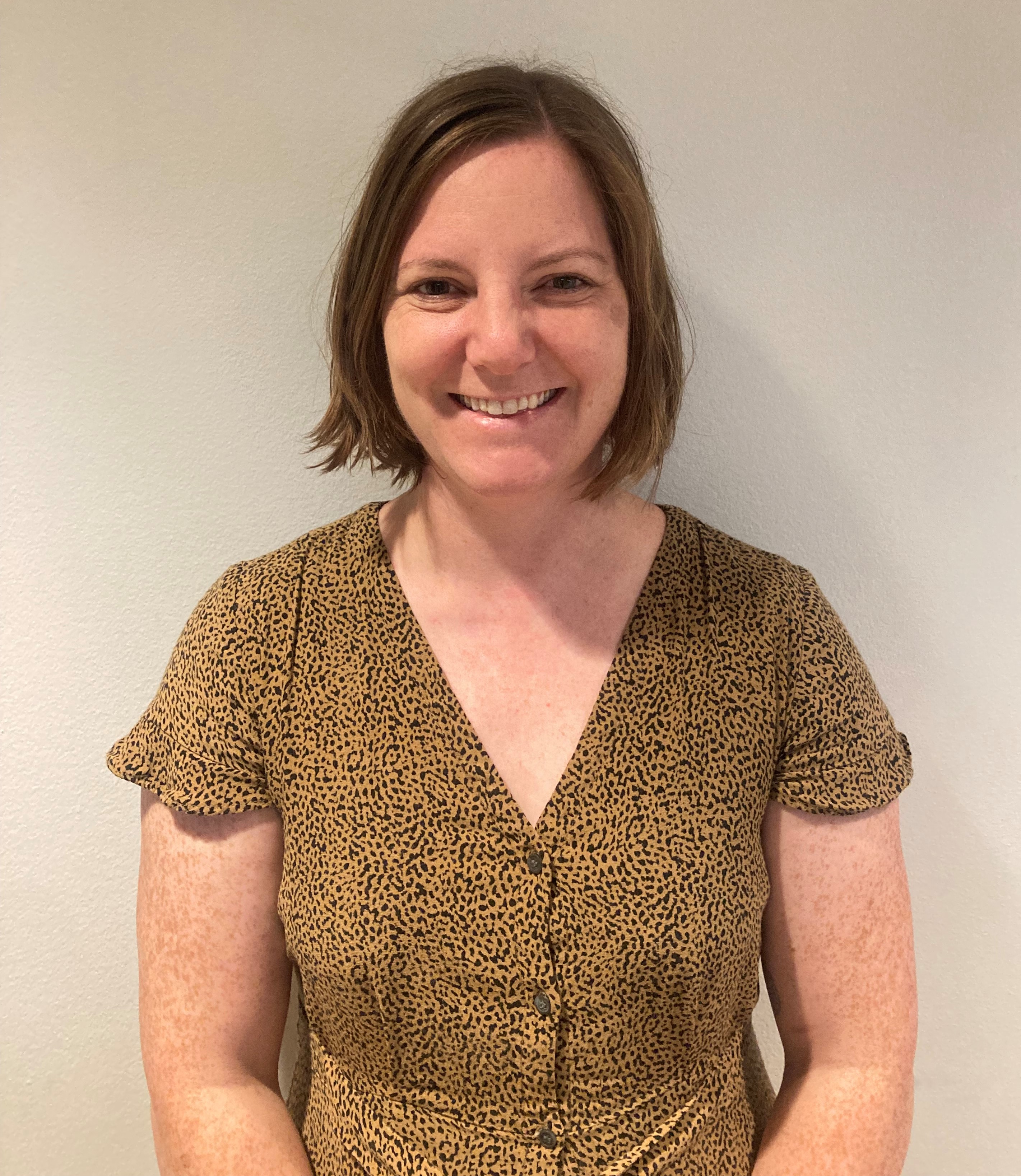
These programs have very different primary goals (although both have multiple goals). The program at CAMH has the goal of supporting individual art teachers in the Houston Independent School District (HISD). The group includes 15 teachers; they can participate for only one year, and have opportunities for different types of collaboration with the museum if they want to continue working with the museum for a second year. The teachers have two main projects: they create lesson plans using the museum that they share with each other (and only with each other), and they create an art exhibition at a community location; the most recent art exhibition featured work by participating teachers and their students and was on view for a month.
The goal of the program at SLAM is to get to know the many different populations served by the 20 school districts throughout St. Louis city and county, and to better engage teachers who serve non-white students, thus diversifying the museum’s school audiences. The program includes 12 teachers who meet four times per year; at each meeting they visit the galleries; engage in art-making activities; share ideas and moments of inspiration in group dialogue; and share feedback on selected museum projects. Most recently they discussed revisions to an “American Journeys” tour theme that is part of a multi-theme, multi-visit program for fourth and fifth grade students, and shared barriers they face in getting student groups to the museum.
Based on my conversation with Felice and Kira, as well as my own experience with Teacher Advisory Committees, here is a list of recommendations for those looking to start a similar program at their museum:
- Pay the teachers. Their time is valuable, and if this is a “teacher advisory committee” than you are asking them to use their time to advise and support the museum.Feed teachers. This is probably a good rule of thumb with any teacher program.
- Select a consistent day and time to meet, and make sure that applicants know when meetings will be and that their attendance will be required.
- Be clear about your primary goal (for example, do you want to form strong relationships between the museum and teachers, create a specific resource with their help, learn more about them and their students, or something else)? This goal should determine how meetings are structured.
- Create an application system, and promote the committee and the application form as broadly as possible to your target group.
A few notes. Paying teachers makes this a relatively expensive program – most museums will spend around $10,000 for one year, to directly reach about 15 teachers. It’s worth it if you know why you’re doing this, and it feeds your other school programs in a meaningful way. It’s not worth doing it just because it’s something you think you should do. It’s also not the most efficient way to market to teachers – think about what else that $10,000 could get you.
Some museums have teacher working groups, convening a group of teachers with specific interests or skills to address a specific question. These are different than Teacher Advisory Committees in that they are temporary. If you want one-time help with a specific project or resource, consider this approach, instead – gathering teachers for a few project-specific meetings, rather than as an ongoing committee.
Do you have other effective practices to share in forming or managing Teacher Advisory Committees? If so, please share them in the comments to this post!
 Museum Questions