Yes – organizational problems in museums are solvable! Thank you for this title, Mike!
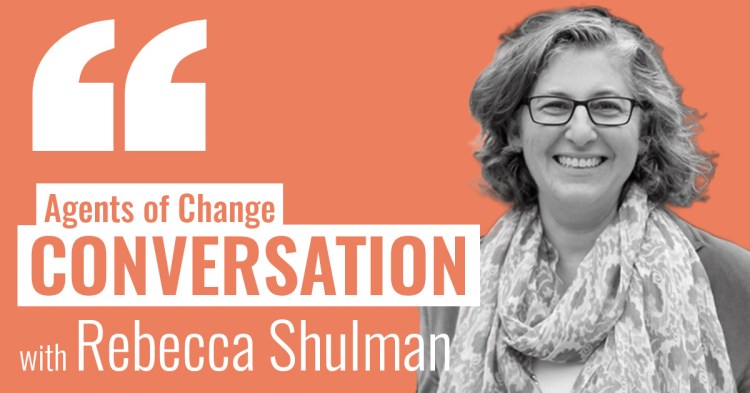
Mike Murawski of Agents of Change has been one of my thought partners in defining the problems of and solutions for organizational culture in museums. This week I am once again featured on his Agents of Change conversation series. You can listen to the post here. In this conversation we discussed my recent report, meaningful listening, the application of the “customer journey” to museum staff experiences, and why I believe Culture Shift is a great way to create a positive culture.
And while I’m on the topic…
As of today (September 20), there are only three weeks left to sign up for Culture Shift! If you think your organization might benefit, but are not in a leadership position yourself, please share this with your museum director or leadership team!
I’ve been getting questions about the specifics of this offering; so I’m sharing a week by week outline:
Culture Shift is a dedicated, small group space for museum leaders who are committed to
the real work of changing organizational culture. Over the course of eight 90-minute virtual
sessions we will discuss both theory and practical tips for meaningful change. Each
participant will be asked to conduct an internal assessment of their museum’s culture and to
design, implement, and evaluate strategies for shifting the needle and making lasting
change.
October 15: Why is organizational culture an urgent issue in museums?
Participants will introduce themselves and their museums, focusing on why this topic feels urgent right now. They will learn concrete information about organizational culture and what we know from research about common issues and solutions. After this session, participants will be asked to experiment with an ongoing reflective practice and to think about the team they need in place to make change in their museum.
November 19: What does a healthy organizational culture look like?
Participants will create a vision for their museum, considering what a healthy organizational culture looks like and what opportunities it presents for them and their museum. After this session, participants will be given the Strengths Finder test, in order to better understand their own leadership style.
January 21: What is the role of listening in organizational culture change?
We will discuss the Strengths Finder results, with the goal of developing increased self-awareness and thinking about a strengths-based approach to leadership and culture creation. We will also talk about different types of listening, the role of listening in changing culture, and bringing each person’s strengths to this practice. (Guest presenter: Miriam Bader)
February 18: How do we know what change is most critical?
We will talk about formal and informal assessments, what works, and pitfalls to beware of. We will introduce interview-based assessment tools and talk about leveraging the institutional team to conduct this work. After this session, participants will be asked to assess their organizational culture and identify specific areas where change is most needed.
March 18: How do we create change through a Reflective Practice approach?
Participants will share and discuss findings from their internal assessments. We will craft clear priorities (for example, “staff will feel like their ideas are heard,”) and goals (for example, “staff will know who to go to to share different types of ideas”) and collaboratively brainstorm ways to achieve these goals. After this session, participants will clarify one priority, three goals, and three experiments to achieve these goals.
April 15, May 20, and June 17: What’s working, and how can we do even better?
The final three sessions will be dedicated to sharing and supporting the work participants are doing. We will bring in guest presenters and additional information as needed, informed by the specific participants and their needs.
Questions? Please contact me directly or leave a comment on this post!
 Museum Questions
Thanks for sharing! And I hold hope that leaders (at all levels of museum institutions) will dedicate the resources and time needed to bring a focus to organizational culture and work together as a team to address the many challenges that exist within these institutions.