
In March I had a conversation with an insightful colleague, Amy Boyle, an educator at the Guggenheim Museum. Amy suggested that open-ended interpretation might be problematic in a climate in which political discourse disregards facts, and candidates and supporters make up their own truths. I’m not sure I’ve captured the challenges and opportunities offered by thisContinue reading “What responsibility do museums have for shaping the public’s relationship with facts?”
Category Archives: Art Education
What is an “Interpreter in Residence?” Interview with Michael Christiano
Michael Christiano is the Interim Senior Director of Museum Programs at the Smart Museum of Art at the University of Chicago. In this role he develops strategies and programs that reflect on the nature of the Museum’s institutional practice, with a particular focus on education, interpretation, engagement, hospitality, installation strategy, and other key issues. When visiting the SmartContinue reading “What is an “Interpreter in Residence?” Interview with Michael Christiano”
What are your best maker-based activities?

Like many children’s museums, the Peoria PlayHouse Children’s Museum has a “maker” exhibit, where children can use tools (hammers, saws, drills, glue guns, etc) to make things. As I watch the Peoria PlayHouse Children’s Museum educators develop prompts and activities for this area, I wonder if we are re-inventing the wheel. So many museums areContinue reading “What are your best maker-based activities?”
Adults are Learners, Too
This guest post is by Jackie Delamatre, who also wrote the post “But will YOU be here?” for Museum Questions in January 2015. Jackie Delamatre is a museum educator. She teaches all ages (from babies to senior citizens) and runs a blog with the goal of connecting kids, parents, and educators to museums: Ms. Museum. For many yearsContinue reading “Adults are Learners, Too”
When is art viewing a spiritual activity?

About a year ago, while teaching art history at Bradley University, I committed to giving a talk about the spiritual in modern and contemporary art. That talk is fast approaching, and has been leading me to think not only about artists who embrace a spiritual purpose for their art, but about where the spiritual isContinue reading “When is art viewing a spiritual activity?”
What is the role of research in museums’ K-12 programming?
This guest post is from Michelle Grohe. For the past ten years Michelle has been the Director of School & Teacher Programs at the Isabella Stewart Gardner Museum in Boston, Massachusetts, where she has overseen the School Partnership, an intensive multiple-experience program with local Boston schools, including in-depth professional development with classroom teachers. Michelle hasContinue reading “What is the role of research in museums’ K-12 programming? “
What do we talk about when we talk about art?
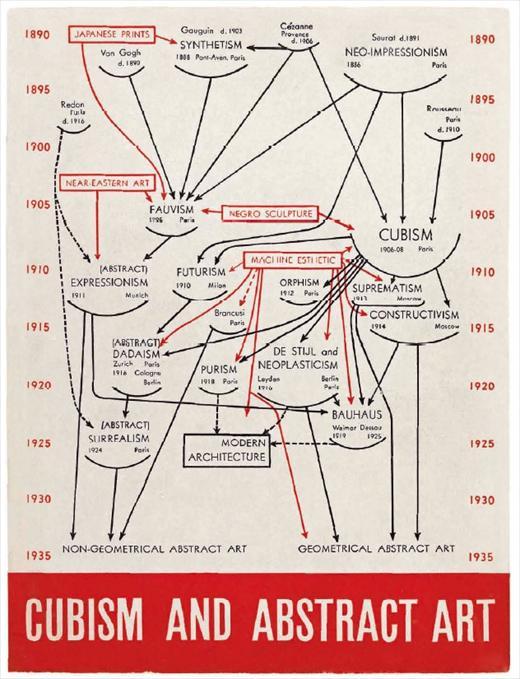
This spring, I taught undergraduate art history at Bradley University. I recently blogged about this experience on the site Art History Teaching Resources. As I considered how we teach art history to college students, and what we – or I – hope to accomplish with this, I naturally also thought about the practice of artContinue reading “What do we talk about when we talk about art?”
When is Inquiry with Art Philosophical Inquiry?
It looks like a donut. It kind of reminds me of a desert, because of the colors. And since there are lines and cracks, it makes me think of canyons in a desert. I know what it is: some type of porthole. Maybe there’s a whole world in there, you can go inside.1 OverContinue reading “When is Inquiry with Art Philosophical Inquiry?”
Arts Education Elevator Speech: Everything You See Here Was Imagined
At the Face to Face conference last March, Russell Granet urged me to draft an elevator speech – a quick and cogent argument for why the arts matter. Russell noted that this is something the arts education world has not done very effectively. We can explain how the arts support the curriculum or list theContinue reading “Arts Education Elevator Speech: Everything You See Here Was Imagined”
 Museum Questions